
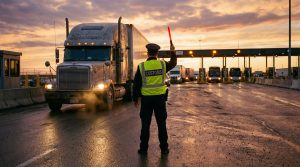
If you operate a commercial fleet, CVSA inspections are not just a compliance detail — they can directly affect safety, uptime, and operating costs. The Commercial Vehicle Safety Alliance (CVSA) is a nonprofit association made up of commercial motor vehicle safety inspectors, enforcement officials, and industry representatives across the United States, Canada, and Mexico. Its goal is to make roadside inspections more consistent across North America and help keep roads safer for everyone.
The CVSA is comprised of enforcement officers from the State Police, Highway Patrols, Departments of Motor Vehicles (DMVs), Departments of Transportation (DOTs), and Public Service/Utility Commissions. In all, over 13,000 individuals are involved worldwide.
Why Failed Inspections Can Be Costly
A failed inspection can quickly become expensive for a fleet operator. A vehicle may be referred for a full roadside inspection, placed out of service, or require immediate repairs before it can return to work. That can mean citations, lost revenue from downtime, and mechanic fees. The best way to reduce that risk is simple: keep preventive maintenance consistent and address small issues before they become roadside problems.
The CVSA has 4 primary enforcement actions a year:
- International Road Check — aka “The 72 Hour Blitz”
- Operation Safe Driver Week
- Brake Safety Week
- A Surprise Special Inspection Initiative
72-Hour Inspection Blitz: International Road Check (Usually Scheduled in May)
The International Road Check, often called the 72-hour DOT inspection blitz, is one of CVSA’s most visible enforcement events. It is considered the largest targeted commercial motor vehicle inspection operation in the world. Normally over 55,000 vehicles are stopped each year in the US.
During this event, inspectors commonly perform a CVSA Level I inspection, which reviews both driver credentials and vehicle condition. Areas checked may include brakes, cargo securement, coupling devices, exhaust systems, frames, fuel systems, lights, steering, suspension, wheels, tires, and more.
Operation Safe Driver Week (Usually Held in July)
The Safe Driver Week blitz addresses the fact that drivers’ actions contribute to 94% of all traffic crashes. Operation Safe Driver Week focuses on unsafe driving behaviors. These may include speeding, not wearing a seatbelt, failing to obey traffic signs or signals, and using a handheld device while driving. For fleet operators, this event is a reminder that compliance is not only about the vehicle, but also about driver habits, training, and accountability.
When stopped, drivers are required to provide their paperwork including:
- Driver’s License
- Medical Exam Certificate
- Record of duty status
- Vehicle Registrations
- DOT Paperwork
- Proof of Insurance
Ensuring drivers have the proper paperwork is essential to avoid fines and penalties.
Brake Safety Week (Usually Scheduled in August)
Brake Safety Week is part of CVSA’s Operation Airbrake program. Out-of-adjustment brakes and brake-system violations combine to represent half of all out-of-service violations issued for commercial motor vehicles on the road.
Inspectors pay close attention to brake systems, hoses, tubes, automatic slack adjusters, and ABS malfunction lights. To avoid brake-related violations resulting in out-of-service orders, routine brake checks should be a top priority for any commercial fleet.
Other Surprise Inspections
CVSA also conducts unannounced inspections throughout the year, including events such as Brake Safety Day and Hazardous Materials/Dangerous Goods road blitzes. Because these inspections are not always announced in advance, the safest approach is to keep every vehicle inspection ready at all times through regular preventive maintenance and timely repairs.
Key Takeaway for Fleet Operators
The easiest way to prepare for any CVSA inspection is to treat compliance as an everyday habit — not a seasonal task. Regular DOT inspections, preventive maintenance, brake checks, and driver training can help reduce citations, avoid downtime, and keep your fleet safer on the road. To keep compliance, have Mobile Wrench’s mobile Diesel Mechanics perform your DOT Inspections, PM’s and Repairs on your fleet.